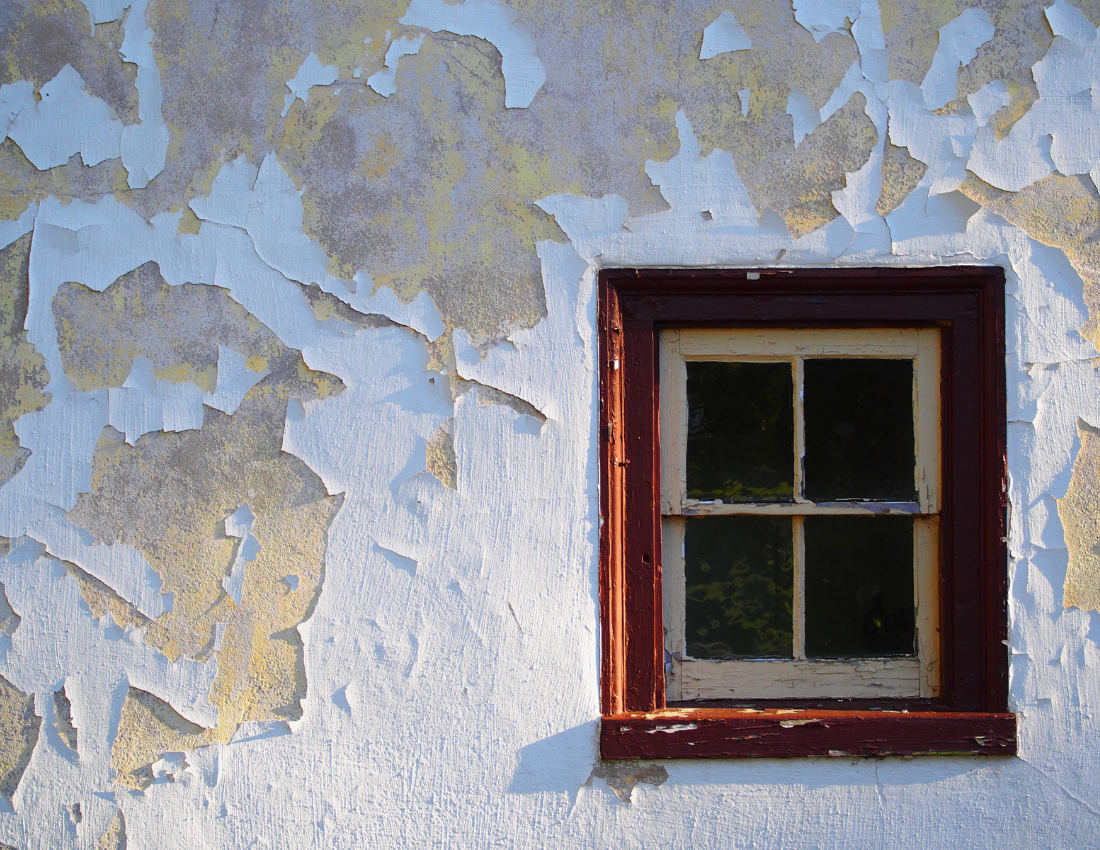
You walk into your living room and notice the paint on the wall starting to bubble or flake. Maybe it’s peeling near the ceiling, around your window trim, or behind a bathroom vent. It’s one of those things that instantly makes you ask, why is my paint peeling?
For homeowners in Mason, OH, paint problems like this are more than cosmetic. Peeling usually means the paint’s bond has failed. Something underneath has gone wrong. Whether it’s moisture, poor surface prep, or the wrong product choice, that small patch of missing paint is trying to tell you something.
Before repainting, it’s important to know why it happened in the first place and what professionals do differently to keep it from happening again.
Key Takeaways:
- Peeling paint happens when the bond between paint and surface breaks—often due to moisture, poor prep, or the wrong paint type.
- Mason’s humid summers and cold winters make paint more prone to peeling without proper sealing or primer.
- Cleaning, sanding, and priming correctly are the biggest factors in long-lasting paint adhesion.
- High-quality, climate-appropriate paints with strong resins prevent cracking and flaking over time.
Why is my Paint Peeling?
Peeling is a clear sign of separation between paint and surface. Paint should form a tight seal that expands and contracts with your walls but when that seal breaks, layers begin to lift.
It can start as tiny cracks or bubbles, but over time those weak spots spread. If left alone, it exposes drywall, wood, or siding, allowing moisture to creep in and cause further damage.
Here are some common reasons of paint peeling:
The Role of Moisture and Humidity
Moisture is one of the most common reasons paint peels, especially in Mason’s mix of humid summers and cold winters. When water finds its way behind the paint layer through leaks, condensation, or even high indoor humidity—it breaks the adhesive bond.
Bathrooms, kitchens, and laundry rooms are typical trouble areas because of steam and poor airflow. Outside, rainwater that sneaks into unsealed siding or trim can cause peeling on exterior surfaces.
When repainting, professionals always check for moisture before applying new paint. If you’ve had drywall damage or patchwork done recently, it’s important to make sure the surface is repaired and fully dried first. Our guide on how to repair drywall before painting explains why this step can make or break a long-lasting finish.
Why Surface Preparation Is Everything
Even premium paint will fail if the surface underneath isn’t ready. Dust, grease, or old flaking layers prevent new paint from bonding. Without proper cleaning, sanding, and priming, the new coat will eventually separate too.
Skipping primer is one of the most common mistakes. Primer helps paint grip the surface and provides an even base for color. Without it, paint dries unevenly and peels sooner than expected.
Another frequent issue is using the wrong paint type for the space. Some homeowners try using exterior paint indoors thinking it’s more durable, but it’s designed for completely different conditions. Using exterior paint inside can lead to cracking and peeling because interior surfaces require more flexibility and less harsh chemicals.
When it comes to paint adhesion, the time spent on prep work always pays off later.
The Impact of Temperature and Sunlight
Mason’s weather can shift fast. Paint applied on surfaces that are too hot or too cold never cures the way it should. In hot weather, it dries too quickly and traps moisture. In cold conditions, it stays soft for too long and fails to bond.
Sunlight can also wear paint down over time. UV rays cause fading, chalking, and brittleness, especially on south-facing walls or trim. Once that brittleness sets in, peeling is just around the corner.
This is especially true for fascia boards, window casings, and decorative edges. The best way to keep them looking fresh is through proper maintenance and protection. Something we often cover when talking about house trim exterior and how to keep those areas sealed year-round.
When Paint Quality Makes a Difference
Sometimes peeling happens because of the paint itself. Lower-grade paints have fewer resins and binders, meaning they don’t flex with temperature changes or resist moisture as well.
Expired paint is another culprit. Over time, paint can thicken, separate, or develop bacteria. If it smells sour or feels uneven when stirred, it’s no longer usable. Applying it can cause bubbling or early peeling within months.
That’s why professionals always use fresh, high-quality paint products, especially those made for Mason’s changing climate. High-resin paints stick better, resist mildew, and last longer on both interior and exterior surfaces.
Primer and Product Compatibility
Each surface in your home like wood, drywall, masonry, or metal, needs a specific primer and paint combination. Using the wrong match can undo all your prep work.
One of the biggest paint failures happens when latex paint is applied over an existing oil-based surface. Without a bonding primer, the latex layer simply won’t hold. Bare wood without a primer will soak up paint unevenly, and concrete that isn’t sealed correctly will trap moisture beneath the coating.
At DeltaPro Painters, we take the time to test and match the right primer and paint system for every house painting project. It’s what ensures the new finish lasts longer and doesn’t start peeling once the seasons shift again.
Preventing Future Peeling
Once your walls or siding are restored, prevention comes down to regular care. A few small habits can keep your paint in good condition for years:
- Repair leaks promptly to stop moisture buildup.
- Keep indoor humidity balanced with fans or dehumidifiers.
- Clean walls gently with mild soap instead of abrasive cleaners.
- Re-caulk trim and window joints when you notice gaps.
- Choose paints designed for your home’s materials and environment.
Following these steps will protect both your paint and the surfaces underneath.
A Lasting Finish for Your Mason Home
Peeling paint usually means the surface wasn’t ready, moisture found its way in, or the wrong products were used. The good news is that these problems are fixable when handled the right way.
At DeltaPro Painters, our professional team takes a step-by-step approach to solve the cause, not just the symptom. We use proven methods, premium paints, and proper primers to ensure your walls and siding stay smooth and strong.
Here’s how we make sure your paint holds up year after year:
- Detailed inspection before any prep or painting begins
- Thorough surface repair and cleaning. We address damaged areas and smooth uneven textures. Learn how to fix chipped paint here.
- Matched primers and coatings for your home’s materials
- Precise, even application by experienced professionals
- Quality control checks after completion
So if you’ve been wondering why is my paint peeling, it might be time to let the pros take a closer look.
We proudly serve Waynesville, Blue Ash, Montgomery, OH, and surrounding areas.
Call 513-995-6965 today for a FREE estimate and let DeltaPro Painters bring lasting color and protection back to your home.